Patients often arrive with the same request: “I want to look fresher, not frozen.” Natural-looking botox cosmetic injections are less about chasing every line and more about softening the right muscles so your expressions read as relaxed, not restricted. When done well, friends comment on your glow, not your injections. This guide brings you behind the scenes of how clinicians think about botox wrinkle relaxing injections, what matters for subtle results, and how to navigate choices like dose, placement, and maintenance.
What “natural” actually looks like
Natural results are not a lack of movement. They are calibrated movement. If you are a brow lifter when you speak, completely turning off the frontalis can flatten your forehead but also drop your brows and make you look tired. A natural finish keeps about 20 to 40 percent of your baseline motion in key areas while smoothing the etched lines that draw the eye. I watch for the micro-expressions you make when you talk and smile, then decide which fibers to tame and which to spare. The goal is to broadcast a calmer version of your face without muting your personality.
Expect improvement in dynamic lines - the wrinkles that appear when you frown, squint, or raise your brows. If a line is present at rest and looks like a crease in paper, botox wrinkle treatment can soften it, but dermal fillers or resurfacing may be needed for a full correction. Patients often pair botox facial treatment with skin quality work such as retinoids, gentle chemical peels, or energy devices for more even texture.
How botox works, minus the jargon
Botox for wrinkles is a purified protein that temporarily blocks the signal between nerves and muscles. Think of it as turning down a dimmer, not cutting the power. Reduced muscle contraction gives the skin above time to iron out. Many people notice the added benefit of less oiliness and smaller-seeming pores in treated zones, a subtle form of botox skin smoothing treatment attributed to reduced action of tiny muscle units around follicles.
Onset is not instant. A typical timeline goes like this: a whisper of change by day two or three, a clear difference by day five to seven, and a full result around day ten to fourteen. How long botox lasts depends on the area, dose, and your metabolism. For facial expression lines, three to four months is common. Around the masseter for jawline botox or teeth grinding, four to six months is closer to reality because those muscles are thicker.
The regions where subtlety matters most
Forehead lines are the classic entry point for botox wrinkle reduction, but the forehead is tied to brow position. Over-dosing the frontalis muscle can drop the brows. Pairing lighter forehead injections with precise botox for frown lines in the glabella allows a softer, slightly lifted brow, not a heavy lid. A conservative range for botox for forehead lines is often 6 to 14 units in women and 8 to 20 units in men, spread in a pattern that respects your unique anatomy.
Between the brows - the glabellar complex - is where “angry 11s” live. Botulinum treatment here relaxes the corrugators and procerus. For many faces, 12 to 24 units smooth this area. Patients who hold chronic tension here often look more approachable after treatment, a change coworkers notice even if they cannot name it.
Crow’s feet form from smiling and squinting. Botox for crow’s feet often uses 6 to 12 units per side, feathered laterally to reduce crinkling while preserving your genuine smile. The trick is sparing fibers that lift the cheek so you do not lose that spark when you grin.
The chin and neck tell stories too. A pebbled or dimpled chin, called mentalis strain, often improves with botox chin dimpling treatment using 4 to 10 units. Nefertiti style neck band treatment softens vertical platysmal bands and can subtly refine jawline definition. This is technique sensitive - undertreat and you change little, overtreat and swallowing or neck movement can feel odd for a few days.
Smaller refinements include bunny lines on the nose, a lip flip that rolls the upper lip slightly out to show more pink without adding volume, and lateral brow lift points that open the eye a touch. All three rely on tiny, precisely placed doses. A botox lip flip treatment, for example, may use 4 to 8 units along the vermilion border to soften a gummy smile and sharpen lip shape. Expect slight lip weakness - straws may feel clumsy for a day or two.
Under eye botox is an advanced option. The risk is lower lid laxity or smile asymmetry if placed improperly. In my practice, I reserve this for select patients with sturdy lid support and pair it with crow’s feet work to balance the pull.
Dose is not one-size-fits-all
How many botox units needed is a question with a frustrating answer: it depends. Muscle mass, baseline asymmetry, expression habits, gender, and prior treatments all matter. A seasoned injector will test your muscles in motion, sometimes asking you to over-express to reveal the deepest contractions. I map injection points tissue by tissue rather than copying a grid.
Your history also informs dose. New patients often start on the lighter side to test how you like to feel. At a two week review, we tweak - a unit or two above the tail of the brow if lift feels uneven, a touch to the central forehead if a line is peeking through, or sometimes we leave it as is because your expression still looks natural. Treating to the face you live in, not a standard chart, is the difference between cookie-cutter and customized botox facial rejuvenation.
Costs track dose. Many clinics bill per unit, others per area. If a quote seems dramatically lower, ask about dilution practices and whether a licensed clinician performs the botox injection treatment. A cut-rate price can hide over-dilution or rushed technique, both of which undermine results and value.
What a typical appointment feels like
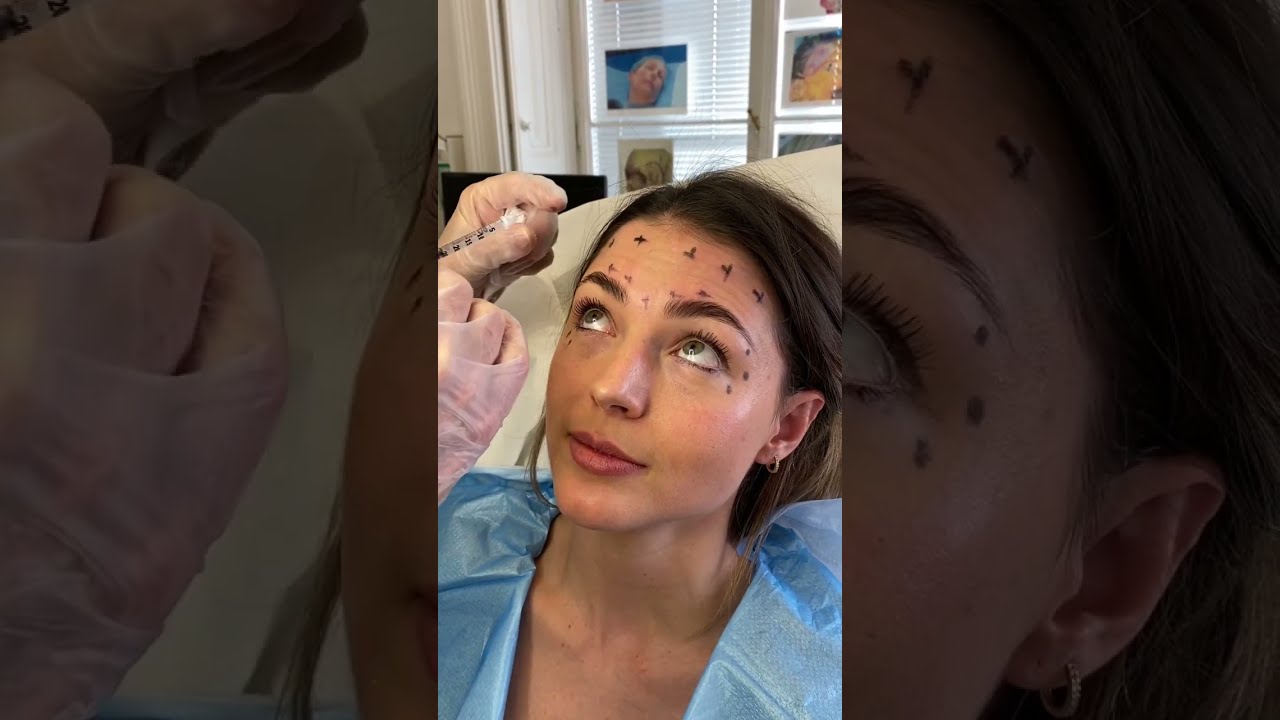
Most people are surprised by how quick and tolerable botox procedure visits are. After photos and consent, we clean the skin, sometimes mark points, and use very fine needles - usually 30 to 32 gauge. You will feel small pinches and minor pressure. If you bruise easily, we ice briefly and apply gentle pressure. Appointments for targeted areas like glabellar lines or crow’s feet take under 15 minutes. Full face mapping for forehead, frown, and eyes might stretch to 20 minutes. There is no anesthesia beyond optional topical numbing for sensitive areas.
Results are staged, not a big reveal. I coach patients to avoid over-reading their face during the first three days. Movement settles unevenly at first as different muscles respond. By day fourteen, the effect is stable. This staged onset is helpful for people worried about looking “done” overnight.
Aftercare that actually matters
There is plenty of folklore around post-botox care. Some tips have merit, others do not move the needle. The immediate priorities are to keep the product where it should be and reduce bruising. Firm rubbing or massage over injected muscles is discouraged for a few hours. Very light washing or makeup is fine. Flight right after treatment is fine. You can return to work right away.
Here is a simple aftercare checklist that aligns with how botox works and heals:
- Stay upright for four hours after injections to reduce migration risk. Skip vigorous exercise, saunas, and hot yoga for 24 hours. Avoid firm facial massage or devices over treated zones for two days. Hold supplements and medications that increase bruising - like fish oil, high-dose vitamin E, ginkgo, ibuprofen - for a day or two if your prescribing clinician says it is safe. Book a two week follow up if offered, especially after a first-time treatment.
The results timeline, from day one to month four
I encourage patients to think in chapters. First chapter: subtle softening starts by day two to five. Second chapter: by day ten to fourteen, the full picture emerges. Third chapter: from weeks four to ten, lines stay quiet and the skin texture looks smoother. The final chapter: around weeks twelve to sixteen, movement begins to return and lines slowly reappear. How often botox injections are needed depends on your goals. If you prefer to never see lines fold in deeply, you will likely return at three to four months. If you do not mind some motion and only want deep lines softened, you might stretch to five months or more.
Over time, with consistent botox anti aging treatment, many patients notice they need fewer units to maintain the same look. The brain relearns to make expressions with less intensity, and the skin gets a chance to remodel. I have long term patients who started with 60 to 70 units across upper face zones and now hold a similar result with 40 to 50.
Safety, side effects, and realism
Is botox safe? In healthy candidates treated with appropriate doses by trained clinicians, botox cosmetic treatment has an excellent safety record spanning decades. Most side effects are mild and short lived: pinpoint redness, small welts that fade in minutes, a day or two of tenderness, and occasional bruising. A dull headache the first day happens in a minority of patients and generally responds to acetaminophen. Makeup can be applied right away with gentle strokes.
Less common effects depend on area. Temporary eyelid droop - ptosis - can occur when glabellar product diffuses toward the levator muscle. It is uncommon, more likely when injections sit too low or when patients rub aggressively afterward. If it happens, it usually improves over days to weeks and can be eased with prescription eyedrops. Brow heaviness after forehead work is more often a sign that the frontalis was over-treated relative to the frown complex. This is why conservative dosing and careful balancing across muscles matters. Smile changes after crow’s feet work are possible if the zygomaticus is affected. Conservative lateral placement and experienced hands reduce that risk.
Absolute contraindications include pregnancy and breastfeeding, active infection at the planned injection site, and certain neuromuscular disorders. A thorough medical history helps identify red flags and medication interactions. If you have a big event - wedding photos, media interview - give yourself a cushion to adjust dose or do a touch-up at the two week mark.
Where botox shines beyond wrinkles
Many people first meet botox through facial wrinkle relaxing injections, then discover its wider uses. Masseter botox for jaw slimming softens a square lower face and can ease clenching. Dosing commonly starts around 20 to 30 units per side for softer masseters and 30 to 50 units per side for robust or bruxism-driven hypertrophy. Expect chewing fatigue for a week or two when you tackle tough foods; most patients adapt quickly.
Botox for teeth grinding and botox TMJ treatment can reduce jaw pain and New Providence botox morning headaches by weakening the overactive clench reflex. Results last longer than in the forehead because the masseter is a large, slow-turnover muscle - four to six months is common after two or three rounds.
Botox for excessive sweating under the arms - hyperhidrosis - is another high-satisfaction treatment. A typical botox underarm sweating treatment uses about 50 units per underarm, spread in a grid. Dryness sets in within a week and often lasts six to nine months, sometimes longer with repeated sessions. Palms and soles can also be treated, though comfort measures are needed.
For migraine prophylaxis, onabotulinumtoxinA uses a specific, higher-dose framework in neurology settings. If you are exploring botox migraine treatment, ask for a clinician familiar with PREEMPT-style protocols. While cosmetic doses to the frown and temples can ease tension headaches for some, true migraine care is a medical program and should be individualized.
Technique - the quiet hero of natural outcomes
The product is standardized, the artistry is not. Placement depth varies from intradermal blebs for fine skin smoothing to deeper intramuscular points for strong frown muscles. Angle and dilution can shift diffusion. For example, feathering botox for crow’s feet superficially and lateral to the orbital rim respects the smile mechanics while softening squint lines. In the forehead, carefully sparing lateral frontalis fibers maintains brow support, then using micro-doses along the midline clears vertical lines without a heavy look.
Anatomy matters down to millimeters. The corrugator runs obliquely and fans out, which is why injections too medially can contribute to brow pinch or too inferiorly can migrate. When patients ask why I spend so much time watching them talk before a single injection, this is the reason. Your animation map dictates the safest, most natural plan.
Prevention versus correction
Botox wrinkle prevention is real for expressive, line-prone faces. Treating in your late twenties or early thirties with small, well-placed doses can slow etching of frown lines or crow’s feet. This is not a mandate for everyone. If your skin is thick, your expressions are mild, and you have no visible lines at rest, good skincare and sun discipline may serve you well for years before you need botox face injections.
Correction focuses on softening lines that are already visible at rest. This is where a combination approach shines: botox facial wrinkle injections to reduce the muscle fold, plus resurfacing or filler to lift creased skin. A common pairing for deep glabellar lines is a conservative filler micro-threading several weeks after botox once the muscle is quiet, to avoid vascular risk and improve longevity.
How to think about touch-ups and adjustments
Two week reviews are where the refinement happens. If your right brow sits a touch lower, a unit just under the left tail can rebalance. If your central forehead line shows when you look surprised, a micro-dose in the midline can finish the job. Sometimes we remove dose at the next visit rather than add it. If your brows feel heavy, more forehead units are not the answer - we reduce forehead dosing next round and ensure the frown complex is properly addressed to allow a gentle brow lift effect.
Touch-ups are typically small - two to six units total. They help dial in your unique sweet spot and turn your next plan from guesswork to a blueprint.
Pain, recovery time, and what “downtime” really means
Does botox hurt? Most people rate the sensation as a two or three out of ten - quick pinches. If you are needle-sensitive, we can ice or use topical anesthetic, particularly around the lip flip or bunny lines where skin is thinner. The botox recovery time is essentially the length of your car ride home. Makeup is fine with a clean brush or sponge. You can attend meetings or dinner the same day. The only visible signs are tiny welts at the points that flatten within minutes and, occasionally, a pinpoint bruise that can be covered.
Trade-offs and edge cases I see often
Strong lifters with low-set brows often love botox wrinkle smoothing treatment to the glabella but need very light forehead dosing to avoid brow heaviness. High-set brows and thin foreheads often tolerate a bit more forehead units without droop. Sun damage and thinner skin make lines more stubborn, requiring more than toxin alone.
Athletes and highly active metabolisms sometimes metabolize botox faster. They still enjoy meaningful results, but the three to four month window can skew closer to ten to twelve weeks. In these cases, we accept a slightly shorter interval or increase units slightly within safe ranges if the look still appears natural.
If you are camera-facing or rely on strong eyebrow raises for performance - actors, broadcasters - we preserve more frontalis activity and focus smoothing on the glabella and crow’s feet. Your job and daily expression needs matter in dosing choices.
Combining botox with other treatments for better skin
Botox facial wrinkle therapy is not a silver bullet for skin quality. Pairing with a retinoid, a gentle vitamin C, and diligent sunscreen moves the needle on fine texture and pigmentation in a way botox cannot. For etched lines, microneedling or fractional laser can help the skin remodel. For volume-related shadows, a conservative hyaluronic acid filler complements the smoother canvas botox creates. A well-sequenced plan spaces these treatments for safety and synergy - for instance, completing botox first so muscles are quiet, then resurfacing a few weeks later.
A simple way to choose the right provider
Experience and listening skills trump everything. Natural botox cosmetic facial injections require an injector who watches your face move and asks how you want to look when you are talking to your partner, leading a meeting, or laughing with friends. Look for medical oversight, transparent discussion of side effects, and a willingness to start conservatively. Before and after photos should show expressions, not just static faces, so you can judge how movement looks after treatment.
A brief, focused list can help you vet a clinic:
- Ask who is injecting and their training in facial anatomy. Request to see upper-face before and afters in motion, not only posed. Discuss your brow position goals explicitly - lift, maintain, or soften lines only. Clarify touch-up policies and whether a two week review is included. Confirm unit-based pricing and expected range for your plan.
Realistic expectations by area
Botox for forehead wrinkles should make horizontal lines fade when you lift your brows, yet you can still emote. Botox frown line injections often draw the biggest compliments botox providers near New Providence because the shift from tense to approachable is easy for others to read. With botox crow’s feet injections, expect smoother outer eye lines and a slight reduction in crinkling, but a genuine smile should still crease a bit - that is part of looking alive. Botox brow lift and eyebrow lift effects are subtle. If you want a dramatic arch, toxin alone cannot safely deliver it.
For the lip flip, think definition and a hint more show of the vermilion, not volume. If you want a plusher lip, a small filler later may be better. For the chin, softening the orange-peel texture can make lipstick sit better and profiles look neater. On the neck, platysmal band softening refines photos and video calls but is not a surgical neck lift - pairing with skin tightening devices can help.
Frequently asked questions, answered plainly
What is botox treatment? A minimally invasive neuromodulator procedure that reduces muscle-driven wrinkles for three to four months on average.
Does botox hurt? Quick pinches with fine needles, typically well tolerated. Numbing or ice is optional for sensitive spots.
How long botox lasts? Around three to four months in the upper face, four to six months for masseter treatment, and six to nine months for underarm hyperhidrosis.
How often botox injections needed? Most patients repeat every three to four months to maintain the look. Some stretch longer with lighter goals.
Botox side effects? Temporary redness, swelling, or bruising are most common. Headache or a heavy feel for a few days can occur. Technique-related effects like eyelid droop are uncommon and temporary.
Botox before and after results? The most telling comparison is how you look speaking and smiling. At rest, lines soften. In motion, the face looks calmer and less strained.
The bottom line on natural results
Natural botox anti wrinkle injections come from measured doses, precise placement, and a plan shaped around your expressions. You should still look like you - the best-rested, least-tense version. When I plan botox cosmetic wrinkle treatment, I weigh brow position, line depth, and your movement style, then aim for that 20 to 40 percent muscle quieting that preserves animation. Small tweaks over the first two sessions usually lock in your personal recipe.
Botox cosmetic benefits go beyond smoothing. People feel less tension behind the eyes, makeup sits better, and photos look crisper because creases are not catching light. Add sound skincare, and botox facial rejuvenation often becomes a quiet pillar of an anti aging routine - not the star, but the steady hand guiding your face toward a fresher baseline.
If you decide to explore botox facial wrinkle reduction, start with an honest conversation about how you want to move, not just how you want to look in a still photo. With that clarity, the treatment becomes straightforward - a few thoughtful units in the right muscles, a relaxed two week check-in, and a result that whispers natural rather than announcing itself.